Six campuses, one rule: how Youth for Motorcycle Safety made helmets the norm in Odisha
In Bhubaneswar, India, many students ride a two-wheeler to class every day, and Lipsa Mohapatra saw the gaps clearly: little practical training, low helmet use and a market full of helmets carrying fake ISI safety marks.
Selected for Local Actions 2025, her project Youth for Motorcycle Safety set out to change that over 12 months, working with the students most at risk and the institutions around them.
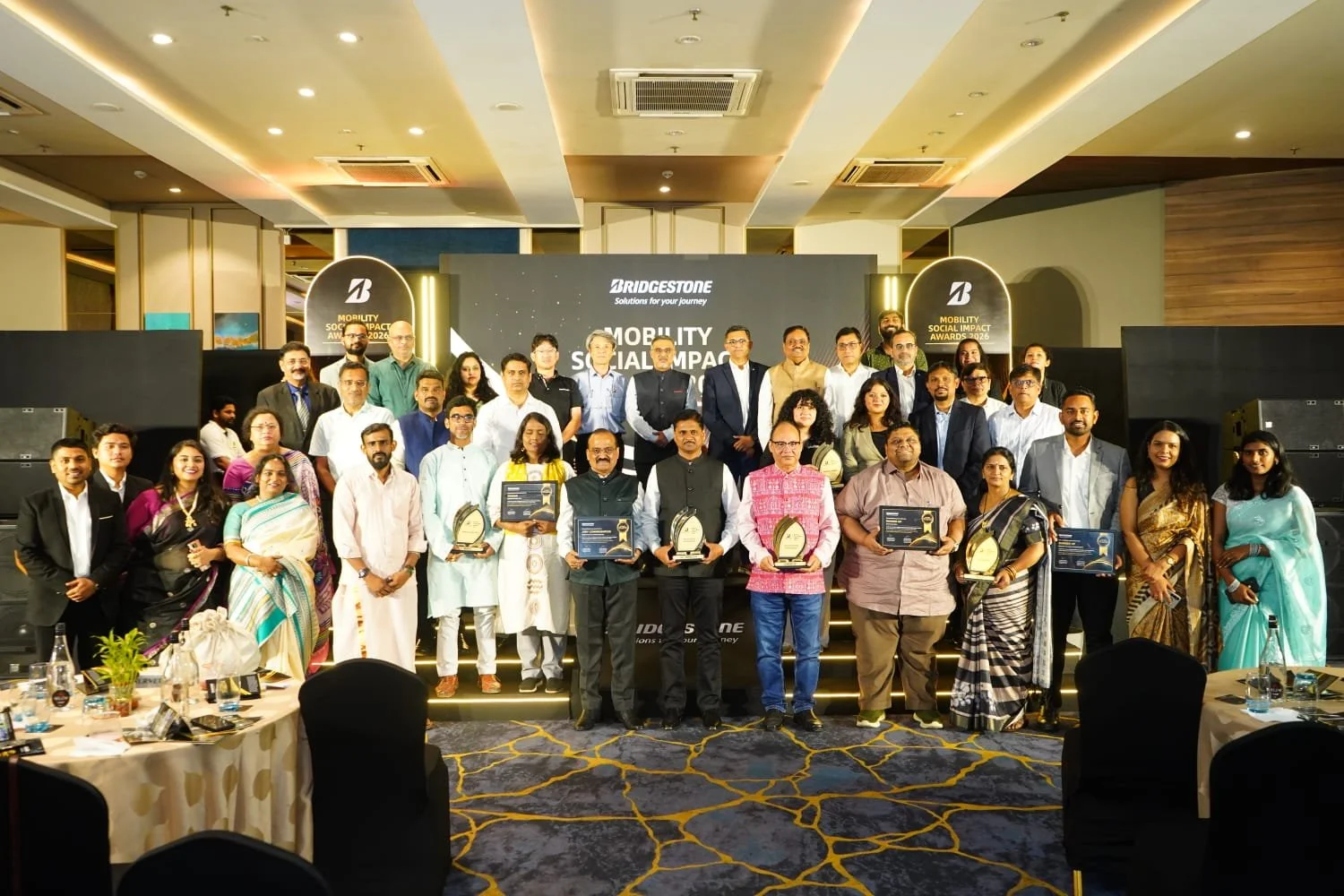
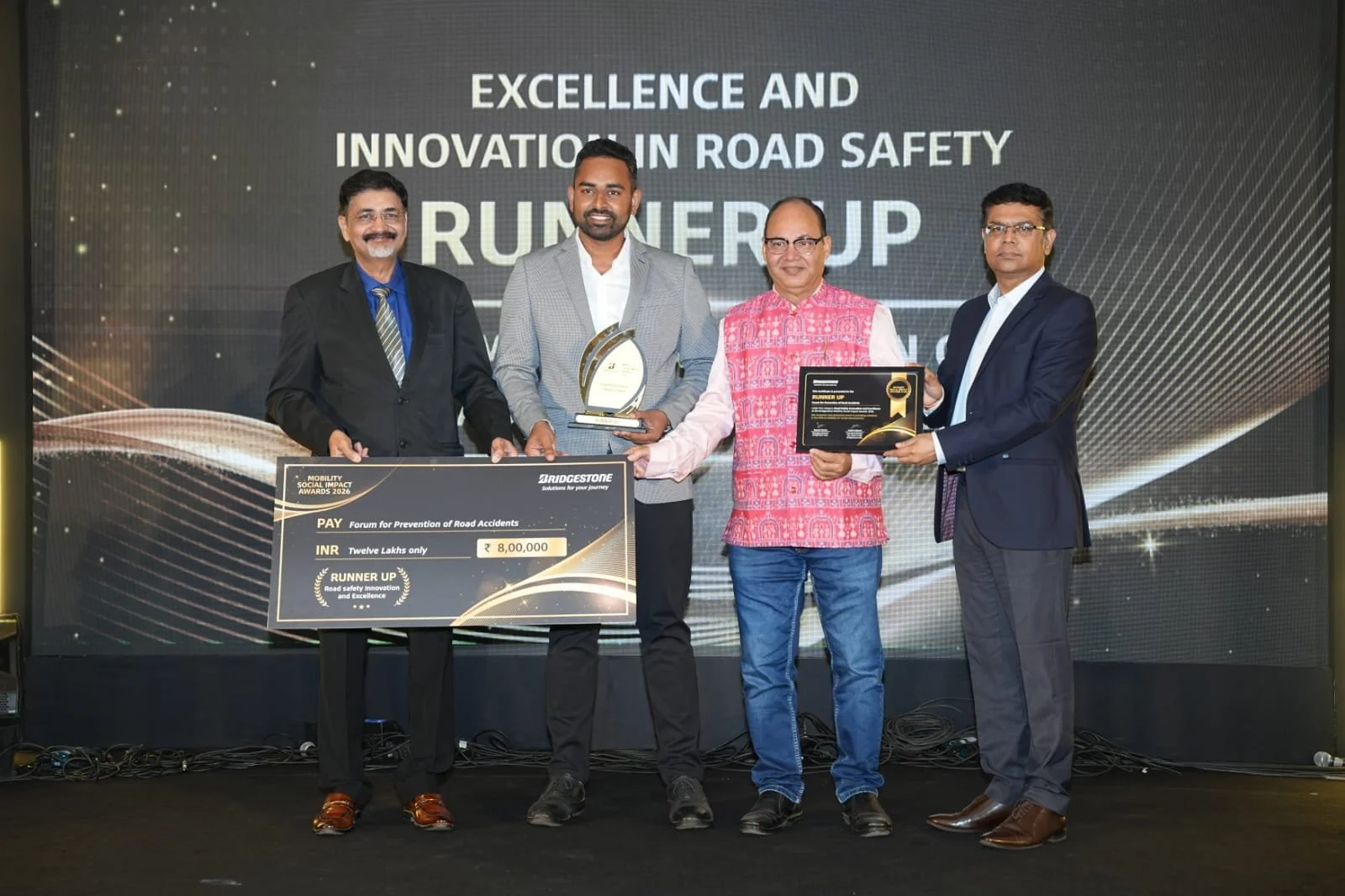
In September 2026, that work was recognised at the Bridgestone India Mobility Social Impact Awards. Out of 118 entries from across India, Youth for Motorcycle Safety, led by Lipsa through the Forum for Prevention of Road Accidents (FPRA), was named runner-up in the Excellence and Innovation in Road Safety category, and the recognition comes with a grant to take the project to five more districts. Reflecting on the award, Lipsa shared: "For us, this is much more than an award. It is an affirmation of the importance of investing in young people as agents of change in road safety."
Starting where young riders already are
Rather than running one-off talks, Lipsa built the project into structures students already belonged to. Working with 10 higher secondary schools and colleges in and around Bhubaneswar, the team appointed 10 programme coordinators and 10 campus ambassadors, and partnered with National Service Scheme (NSS) units. In total, 716 students and volunteers took part in awareness campaigns and hands-on workshops.
The practical side mattered. 370 young riders completed certified safe-riding training covering defensive riding, emergency braking, pillion safety and how to tell a certified helmet from a fake one. The team also wrote and published a Youth Road Safety Booklet with modules on 10 road safety themes, so the training could carry on without them.
From a petition to a campus rule
Training changed what students knew. The next step was changing the rules around them. The team drafted a youth-led Charter of Demands calling for stronger helmet-law enforcement and road safety education, and 459 young people signed it.
Six high schools and colleges went further and adopted a "No Helmet No Entry" policy. Student NSS volunteers check compliance at the gates, so the rule does not depend on the project team being there.
The approach has also travelled. In Lipsa's words: "Our government (Bhubaneswar RTO-II) has begun replicating our project across multiple colleges." After seeing the campaign online, the Block Development Officer of Bheden Block, in Bargarh district, invited the team to run sessions across all 10+ higher secondary institutions there during National Road Safety Month.
Radio, songs and street theatre
To reach people beyond campus, the project used every channel it could. Five community radio episodes, produced with SOA Radio 90.4, KIIT Radio and Radio Hirakhand 90.8, reached more than 100,000 listeners across Odisha. Social media campaigns reached 19,778 people, almost double the original target of 10,000. The team composed six original road safety songs and took street plays and flash mobs to busy public spaces such as Esplanade Mall.
A partnership with the CLAP Legal Service Institute added free legal support for young riders and people affected by road crashes, alongside sessions on traffic rights.
What comes next
The project's own data pointed to its next challenge: among the viewers it could track, 85% were men. Phase II launches in November, with the ambition of turning Youth for Motorcycle Safety into a statewide, youth-led movement across Odisha. Alongside helmet demonstrations and safe-riding training, the plan includes helmet design and graffiti competitions, short-film festivals, hackathons, local safety audits and a statewide youth showcase. With the new grant, Lipsa also plans dedicated workshops and pillion safety sessions for young women riders, more certified training through the Regional Transport Office and local driving schools, and a youth policy memo for the State Transport Authority of Odisha on fake helmets.
Youth for Motorcycle Safety shows what becomes possible when young people have the resources and trust to act on the risks they see every day. What started as campus workshops is now a student-enforced rule in six institutions and a model that local authorities have begun to replicate.
Youth for Motorcycle Safety is one of 74 youth-led projects powered by Local Actions since 2020. Local Actions 2026 is open for teams in India, Kenya and Mexico until 15 November: youthforroadsafety.org/localactions2026