298 m² back to people on foot: how Jóvenes con Calle slowed traffic in Lima
From personal experiences to collective action
At one intersection in Jesús María, Lima, average vehicle speeds dropped by 41.6% after young volunteers measured it, redesigned it and transformed it with the municipality.
That change took shape through Jóvenes con Calle (JCC), a programme developed by MOVISS (Asociación Ciudadana por la Movilidad Sostenible y Seguridad Vial), supported by YOURS and the Global Youth Coalition for Road Safety, and led by Valeria Carrión Moreno, a civil engineer, co-founder and president of MOVISS, and member of the Coalition's Youth Leadership Board.
The initiative was inspired by Valeria's experience leading volunteers in the MoqueWawa project, where painting even a small section of a street revealed the power of collective action. Alongside her experiences with YOURS Academy, iRAP and the Global Youth Coalition for Road Safety, this reinforced a conviction: "Why wait for young people to lead tomorrow when they can lead today?"
Together with the MOVISS team, this belief became a programme created by young people, for young people and for the benefit of their communities.
Building leadership and mobilising communities
Selected for Local Actions 2025, YOURS' flagship programme, JCC received €5,000 in funding, mentorship and technical support to bring its vision to life.
The programme achieved:
17 training sessions, with more than 15 speakers from eight countries
More than 50 young people involved in the programme
20 youth leaders recognised through its activities
10 community activations promoting safer and more sustainable mobility
Collaboration with seven municipalities and 17 institutions
Through training and practical activities, participants strengthened their knowledge of road safety, sustainable mobility, inclusive infrastructure, leadership and advocacy. They then put this knowledge into practice through community initiatives, including "Modo Calle, Modo Vida", a campaign held simultaneously in three districts of Lima. Through interactive activities addressing mobile-phone distraction and safer road behaviour, the campaign reached more than 300 people.
These experiences strengthened participants' leadership skills while connecting them directly with communities and local authorities.
Turning ideas into safer streets in Jesús María
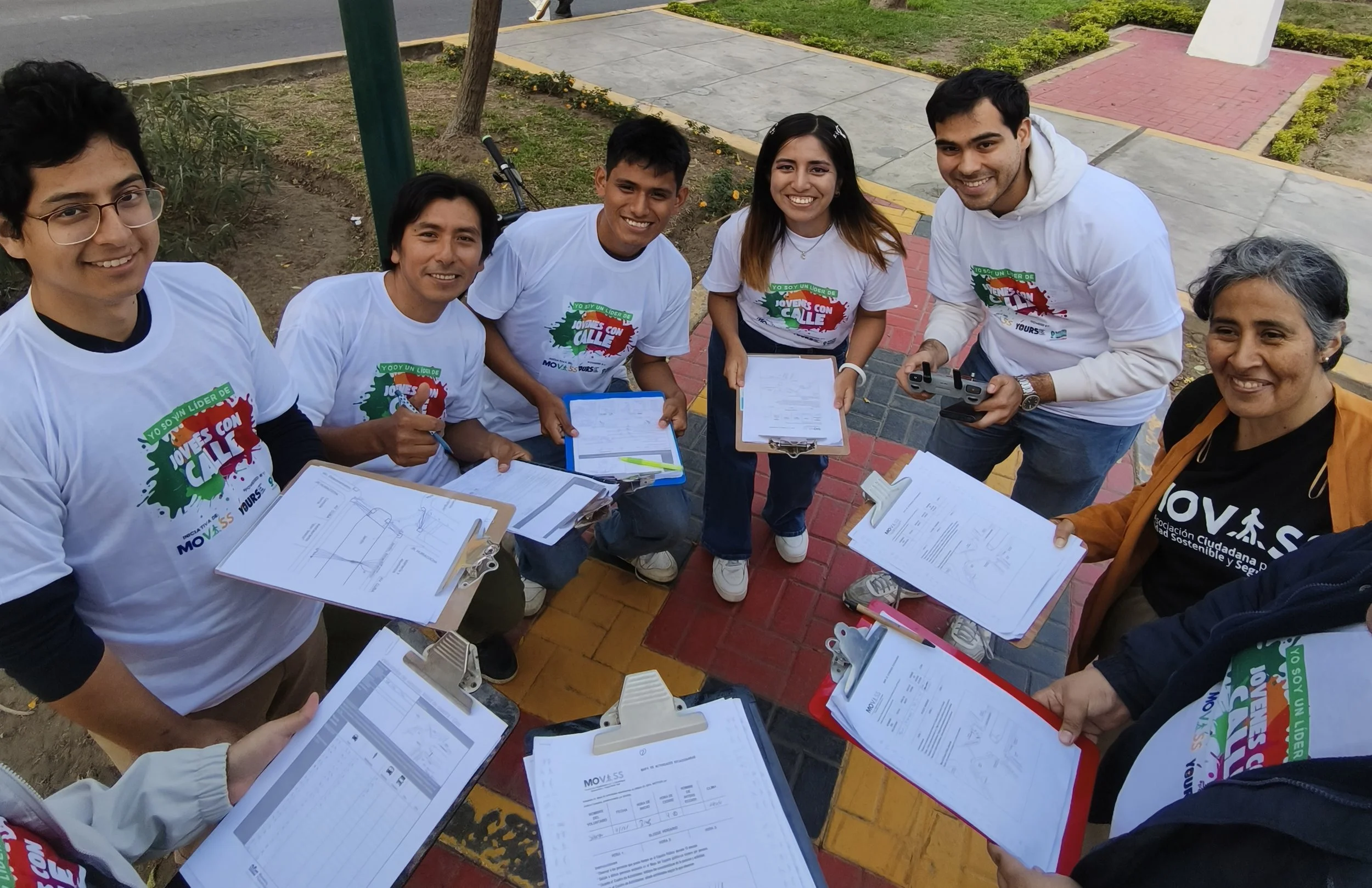
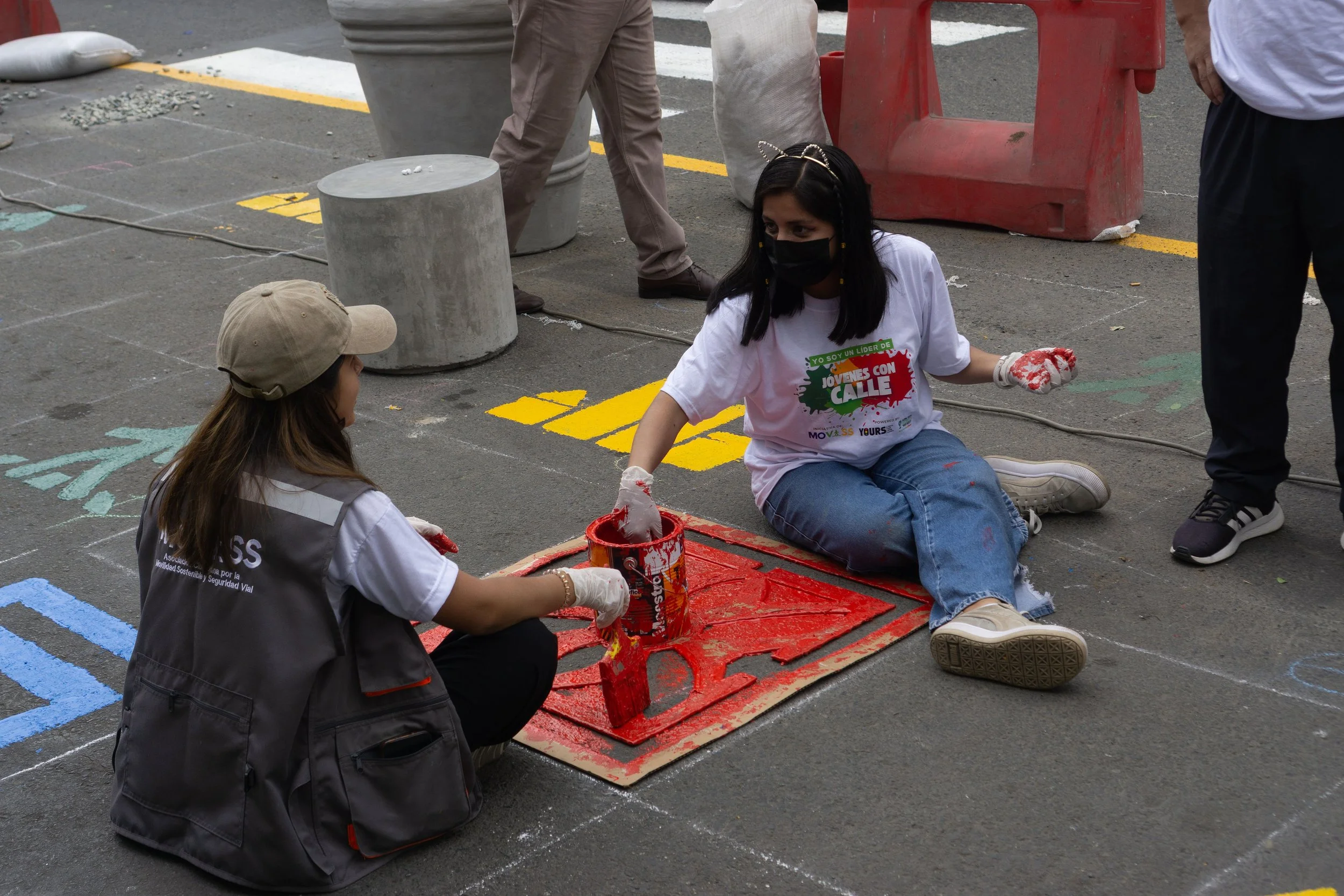
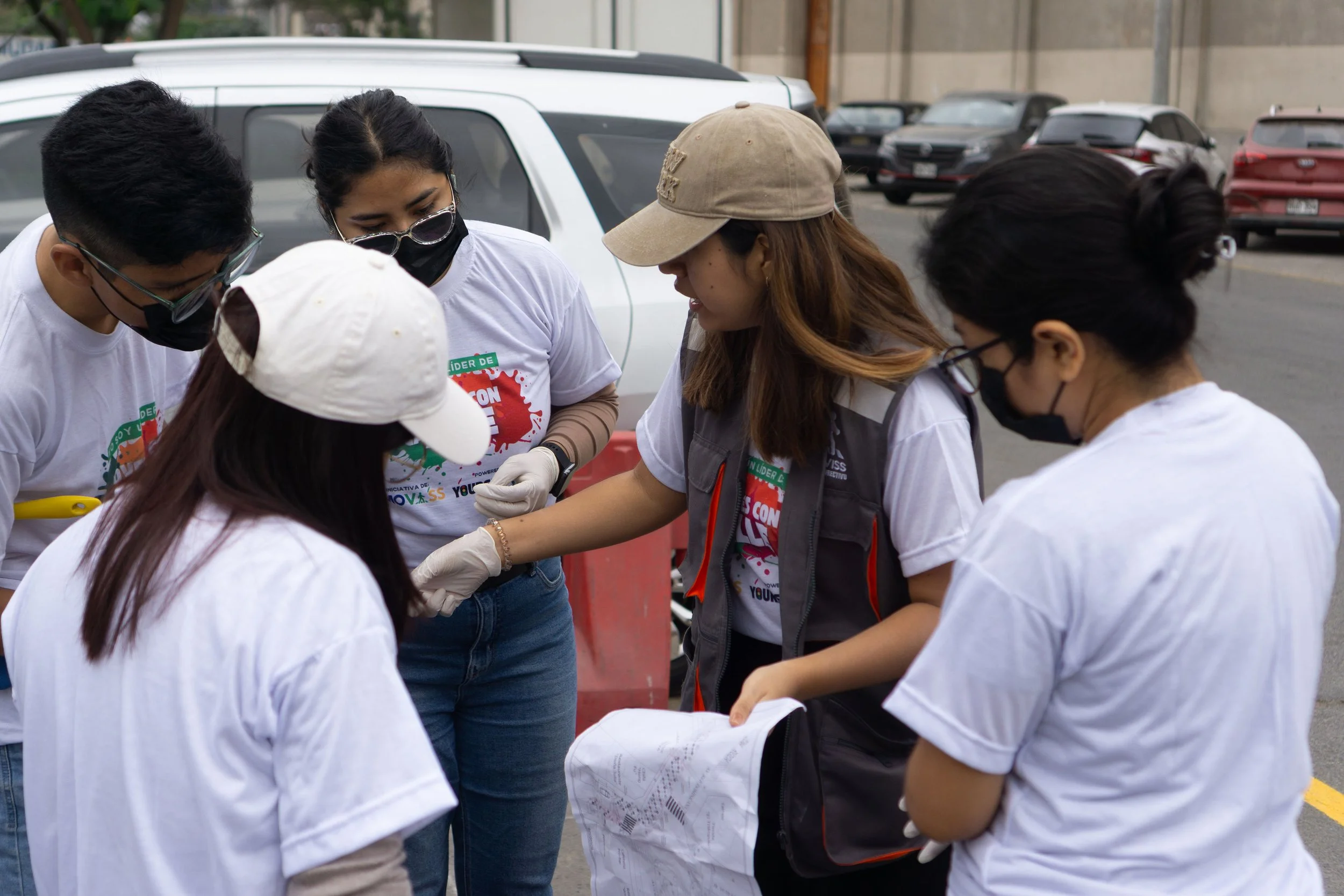
The programme's most significant milestone came during its third phase, when young participants turned their learning into a tactical urbanism intervention in Jesús María, Lima. Going beyond street painting, the team conducted field assessments, pedestrian and vehicle counts, speed measurements, community surveys and participatory design, combining technical evidence with community engagement and municipal coordination.
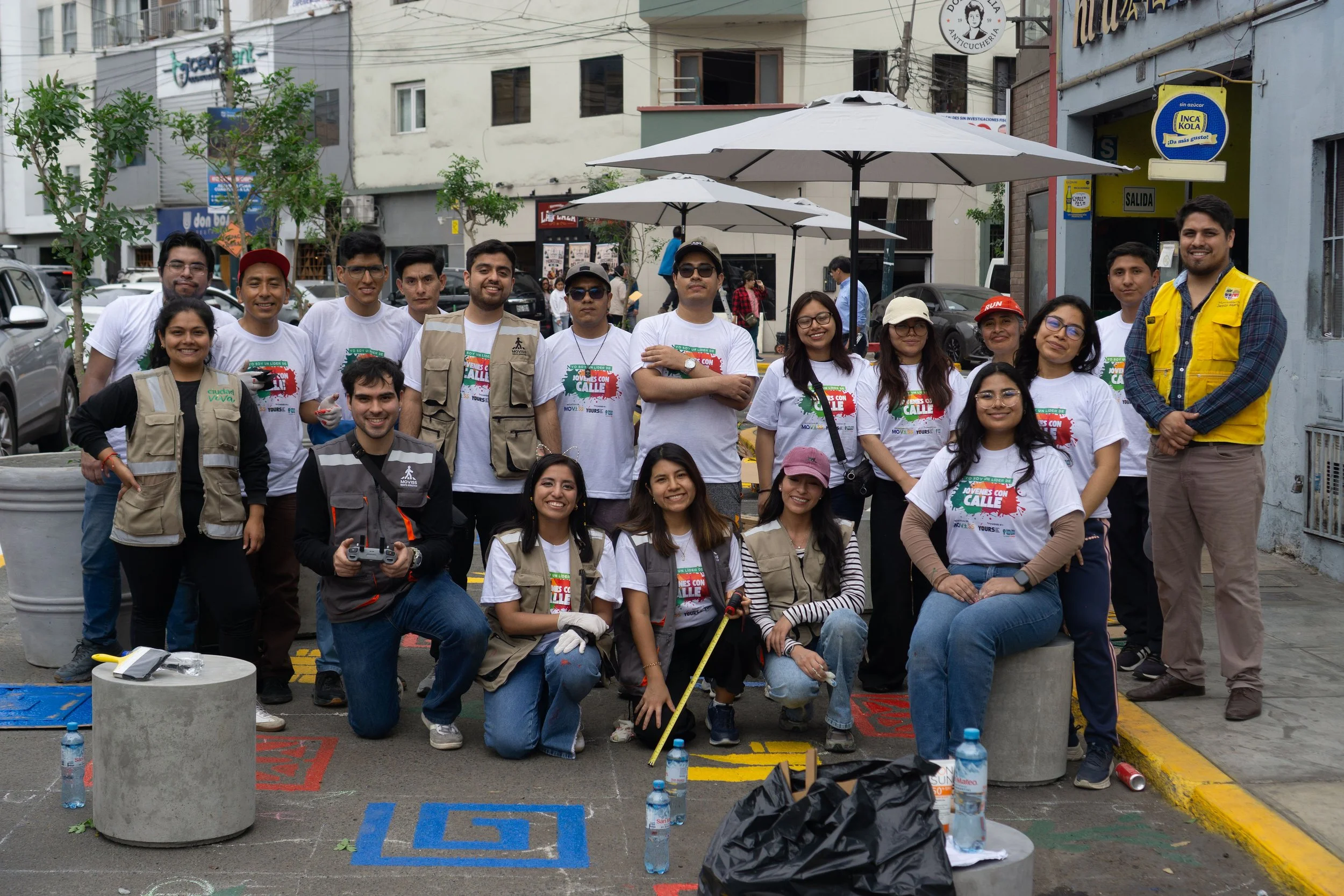
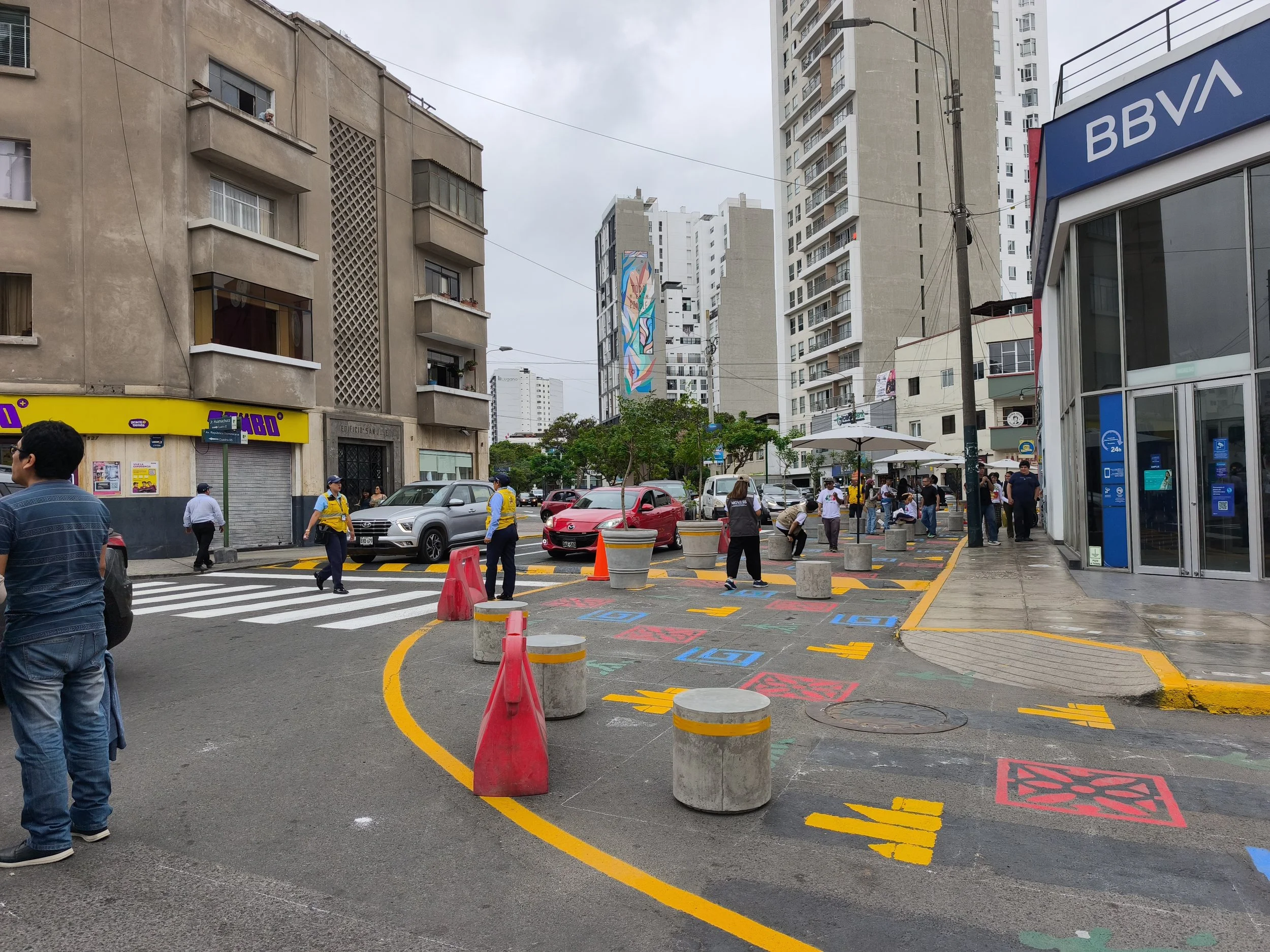
On 15 August 2026, after months of preparation, young volunteers, municipal teams and community members came together to transform the intersection. The intervention achieved:
298 m² of pedestrian space recovered
Two pedestrian crossings improved
A 41.6% reduction in average vehicle speeds, from 37.9 to 22.1 km/h
A 23.8% increase in pedestrian movements through the improved crossings
Before-and-after monitoring provided initial evidence of the intervention's impact, showing how youth-led, evidence-based action can contribute to safer and more inclusive streets. For the participants, seeing their ideas become reality was also a powerful reminder of what they could achieve together.
The value of mentorship and collaboration
JCC was made possible by a committed MOVISS team and members of the Global Youth Coalition for Road Safety: Johana Suni, Nayda Chávez, Juan Torres, Marlon Ricalde, Angelo Puccio and Sebastián Soto, who contributed to its planning and implementation. Jessica Huaylinos helped give the programme its name, while Milagros Ramos was involved in its creation.
An important part of the journey was the mentorship provided through the Local Actions programme. José Manuel Guzmán, from the Global Designing Cities Initiative (GDCI), mentored the team throughout the programme, sharing his expertise in tactical urbanism and guiding data collection, design alternatives and implementation.
Partnerships with municipalities, universities, technical specialists, youth organisations and local communities were equally essential, demonstrating the value of institutional support for meaningful youth participation.
Beyond the numbers: growing together
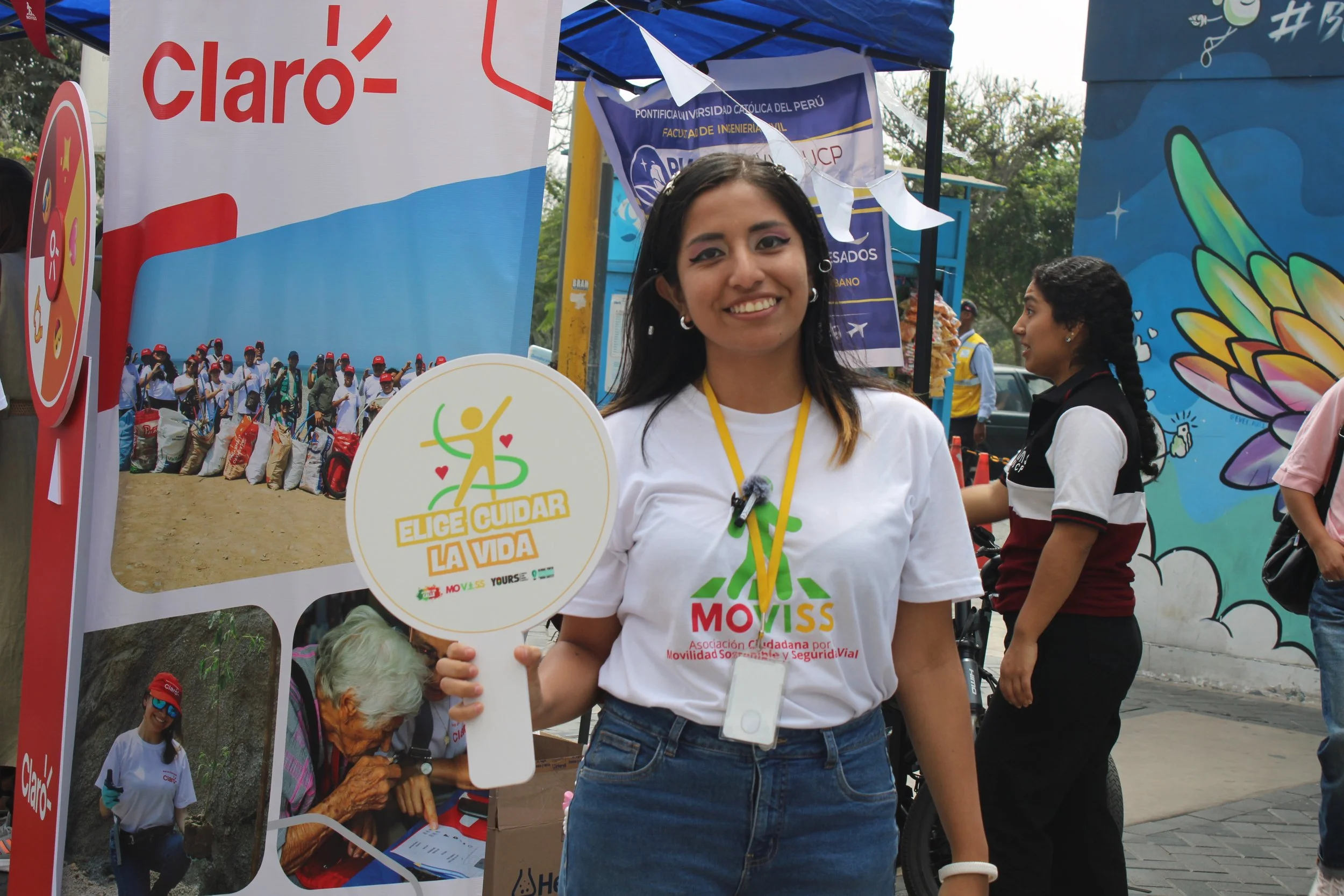
For Valeria, leading JCC was also a journey of personal growth. Over nearly a year and a half, the team faced challenges, learned from mistakes and gained confidence in their ability to create change.
"JCC was not only a programme that grew over time. I grew with it, too. It strengthened my confidence, my skills and the way I understand leadership."
The initiative also reached the semi-final stage of Peru's 2026 National Youth Award "Yenuri Chiguala Cruz", organised by the National Youth Secretariat (SENAJU).
Beyond recognition, JCC demonstrated that young people can contribute to every stage of a road safety project, from identifying challenges to implementing and evaluating solutions.
A programme that ends, an impact that continues
Although Jóvenes con Calle has concluded, its legacy extends beyond Jesús María. Participants gained practical experience, new relationships and leadership skills they can continue applying in their communities.
For MOVISS, the programme provides a foundation for future partnerships and youth-led initiatives. For YOURS and the Global Youth Coalition for Road Safety, it demonstrates how funding, mentorship and meaningful opportunities can translate into tangible local change.
Jóvenes con Calle reminds us that young people do not need to wait for the future to become changemakers. With the right support, they can help transform their cities today.
If not now, when? If not us, who?