When Learning Turns into Impact: How Youth Leadership Is Shaping Safer Roads
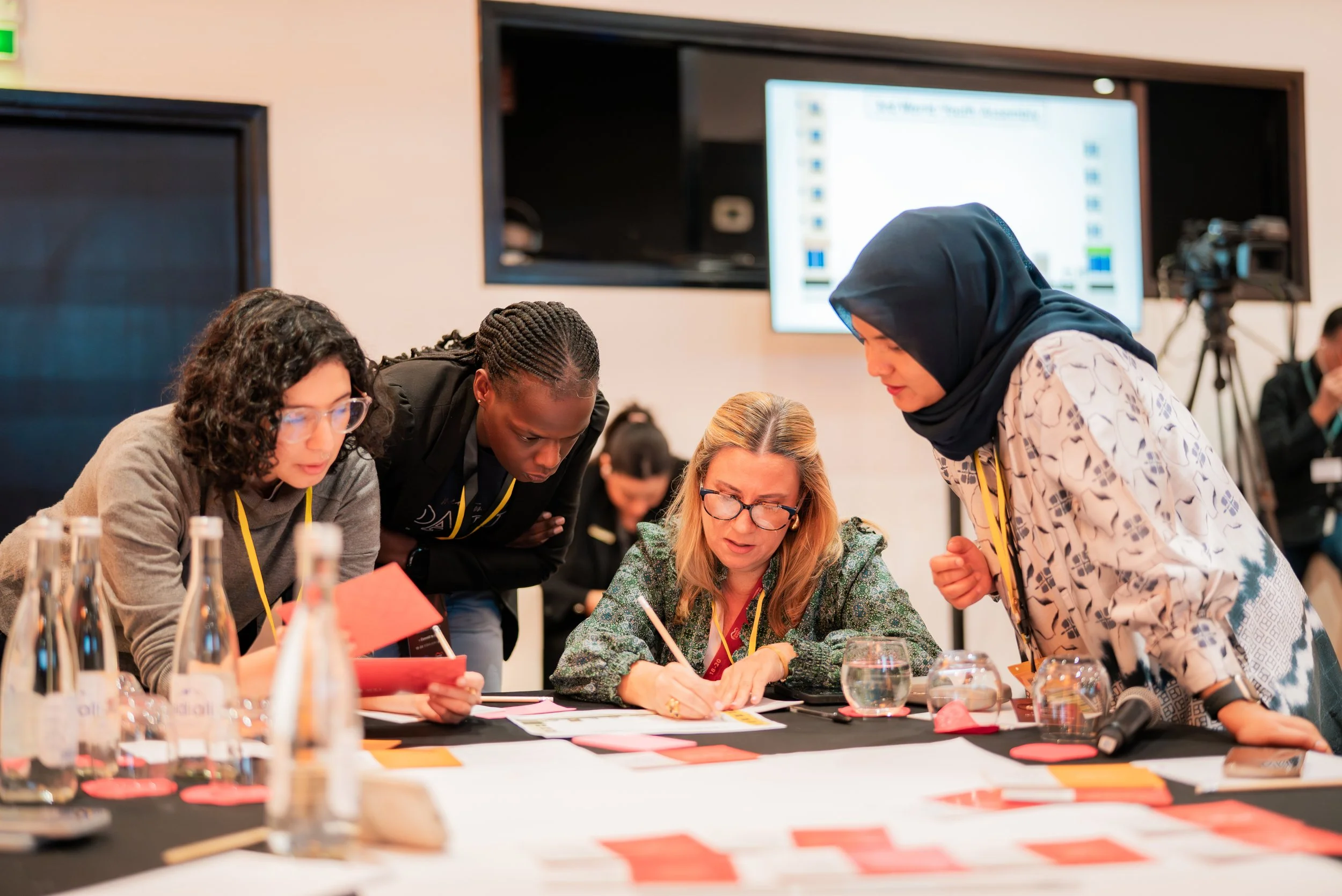
At YOURS, impact is not measured by activities alone, but by what changes when young people are trusted to lead. This approach has translated into tangible results across regions, languages, and communities, showing how capacity development can strengthen youth leadership and collective action.
Between June 2024 and August 2025, members of the Global Youth Coalition took part in the Training of Trainers (ToT) Programme, a learning process designed to move knowledge beyond the global level and into local contexts. Rather than focusing on training as an end in itself, the programme prioritised localisation, peer learning, and practical application, enabling Regional Leaders to turn shared tools into locally relevant action.
Following a structured training phase grounded in YOURS’ award-winning methodology, Regional Leaders delivered localised sessions adapted to their regions’ priorities, languages, and realities. This approach ensured learning was accessible, relevant, and connected to real advocacy and engagement needs on the ground.
What impact did it look like in practice:
Through a capacity development model focused on localisation, peer exchange, and learning by doing, the Training of Trainers (ToT) Programme generated impact at individual and community levels, strengthening how youth leadership is translated into action across regions.
At the individual level (Regional Trainers)
45 hours of structured training delivered across four regions
11 Regional Trainers strengthened their capacity as facilitators and trainers
Participants reported an average increase in knowledge of 4.4/5, reflecting a stronger understanding of training design, facilitation, and delivery
At the community level
23 localised sessions delivered across four regions
589 participants engaged worldwide
25 high-level guest speakers, including 15 youth leaders and 10 partners
Sessions delivered in three languages: English, Spanish, and Arabic
5 localised sessions focused on advocating for 30 km/h speed limits
Strengthened youth capacity to engage in evidence-based advocacy on speed management and safer streets