

Entornos Amables
LED BY Alida Paola Becerra García FROM MEXICO
The project Entornos Amables, or "Friendly Environment", sought to develop in the city of Mérida, Yucatán, to address the needs of children, young women, adult women, and urban cyclists (regardless of gender) who use cycling as a mode of transport or as a means to live a healthier life.
The first stage was around diagnosing the area. The geospatial diagnosis of transit, housing, mobility events, and cyclist count. This was done by collecting data to approximate a number close to the number of people who travelled in the city. With this, the behaviours and needs of cyclists and other road users were identified.
The second stage revolved around participatory workshops, awareness, and walks from the different perspectives of those who walked the streets. In this stage, different areas were surveyed to identify safe and vulnerable spaces, especially for women and feminised bodies. There were also information campaigns on digital platforms and media, where dissemination and awareness campaigns were carried out to discuss the importance of road safety and the collective construction of friendlier environments.

Photo from Alejandro Luna through The City Fix
ABOUT THE PROJECT LEAD
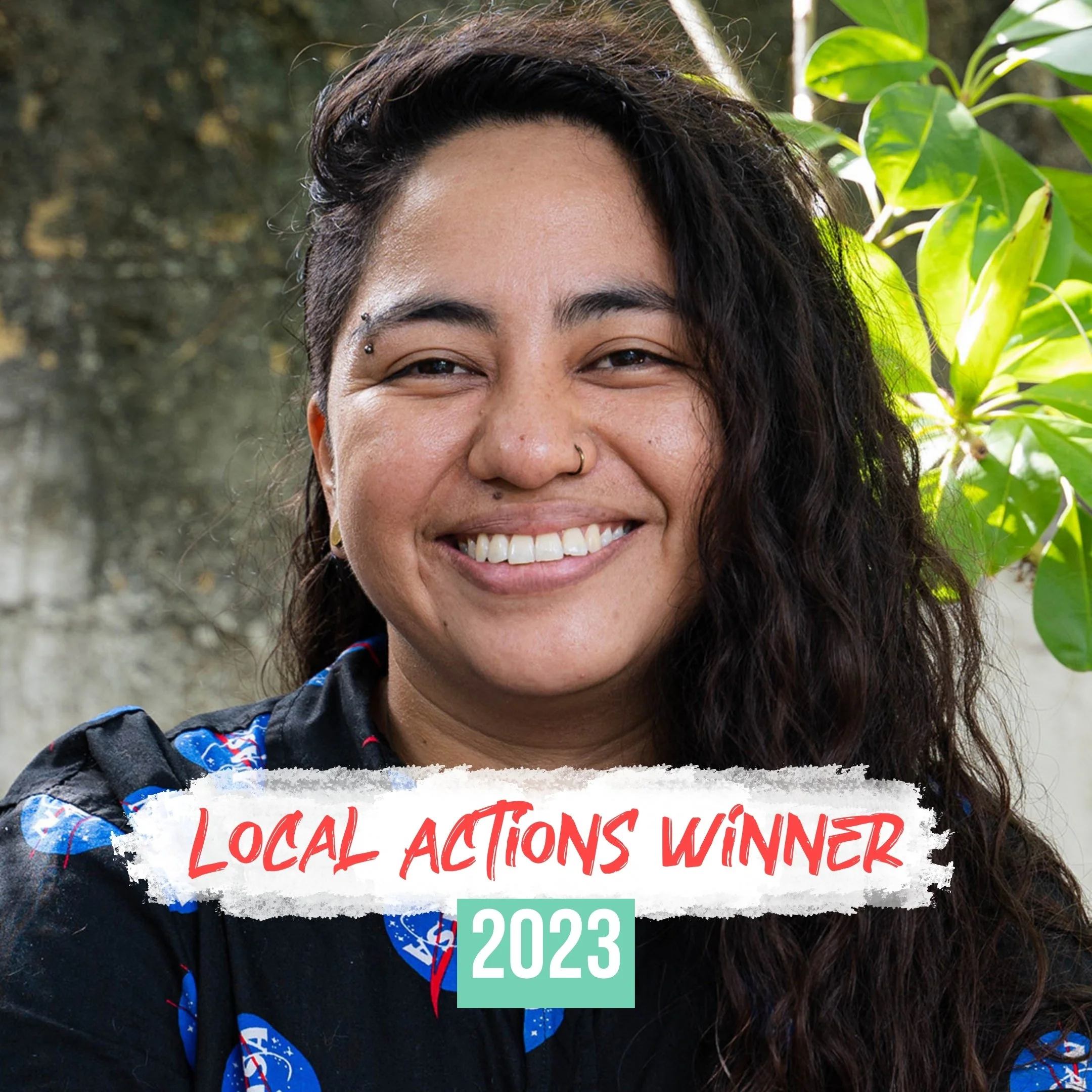

Alida was born in Mérida, Yucatán, in 1989. She is a feminist activist with a degree in Psychology from the Autonomous University of Yucatán.
Paola specialises in group and collaborative processes. She has collaborated with the Reflexión y Acción Feminista (RAF) collective since 2014 and is currently coordinating the programs of women and territory. She has been an urban cyclist since 2010 and utilises her experience as a female cyclist in Mérida to support and encourage other women to become cyclists in a safe and friendly way.
RAF has implemented the Bike School methodology and sensitive perception mapping since 2015 with methodological tools validated through repeated use and other scientific, psychological, and anthropological bases on which they were built.


IMPACT SNAPSHOTS
Developed a collaborative methodology using geospatial analysis and community engagement to identify and address traffic safety barriers in the Vergel neighbourhood.
Improved public infrastructure by painting pedestrian signs and assessing road accessibility in high-risk school zones.
Implemented the "Biciescuela Niñez al Pedal" program, training 30 students in safe cycling skills and promoting the use of bicycles as a healthy mode of transportation.
Mobilised 80 community members, including parents and school authorities, to strengthen the citizen organisation and the appropriation of public spaces.
Secured strategic alliances with 5 local organisations and authorities to ensure the project's sustainability and continued advocacy for road safety in Mérida.
