
ENTORNOS AMABLES
BY Paola Becerra García
The general objective of the Entornos Amables project is to strengthen the urban road safety and autonomy of children, youth, women and the LGBTQI+ population living in the south of Mérida, Yucatán, through safety perception mapping, dialogue about violence in public spaces, theoretical-practical workshops on the safe use of bicycles, and creation of a collective mural that reflects the realities vulnerable road users face.
Although changes have been promoted in public policies at the local level in terms of public transport and non-motorised mobility in Mérida, Yucatán, Mexico, the scarce incorporation of the gender perspective, the systemic approach to road safety, and the development of policies to discourage the use of private vehicles have led to the perpetuation and normalisation of systemic violence against groups (women, children, the elderly, people with disabilities, indigenous peoples) that have been historically violated.
Gender plays a preponderant role in road violence and the way people experience the city. The project seeks to reduce the barriers that limit the enjoyment of the right to safe mobility and the right to a healthy environment, through the construction of accurate information through a new cyclist count and promote the construction of friendly environments in which people can be mobile.

ABOUT THE PROJECT LEAD
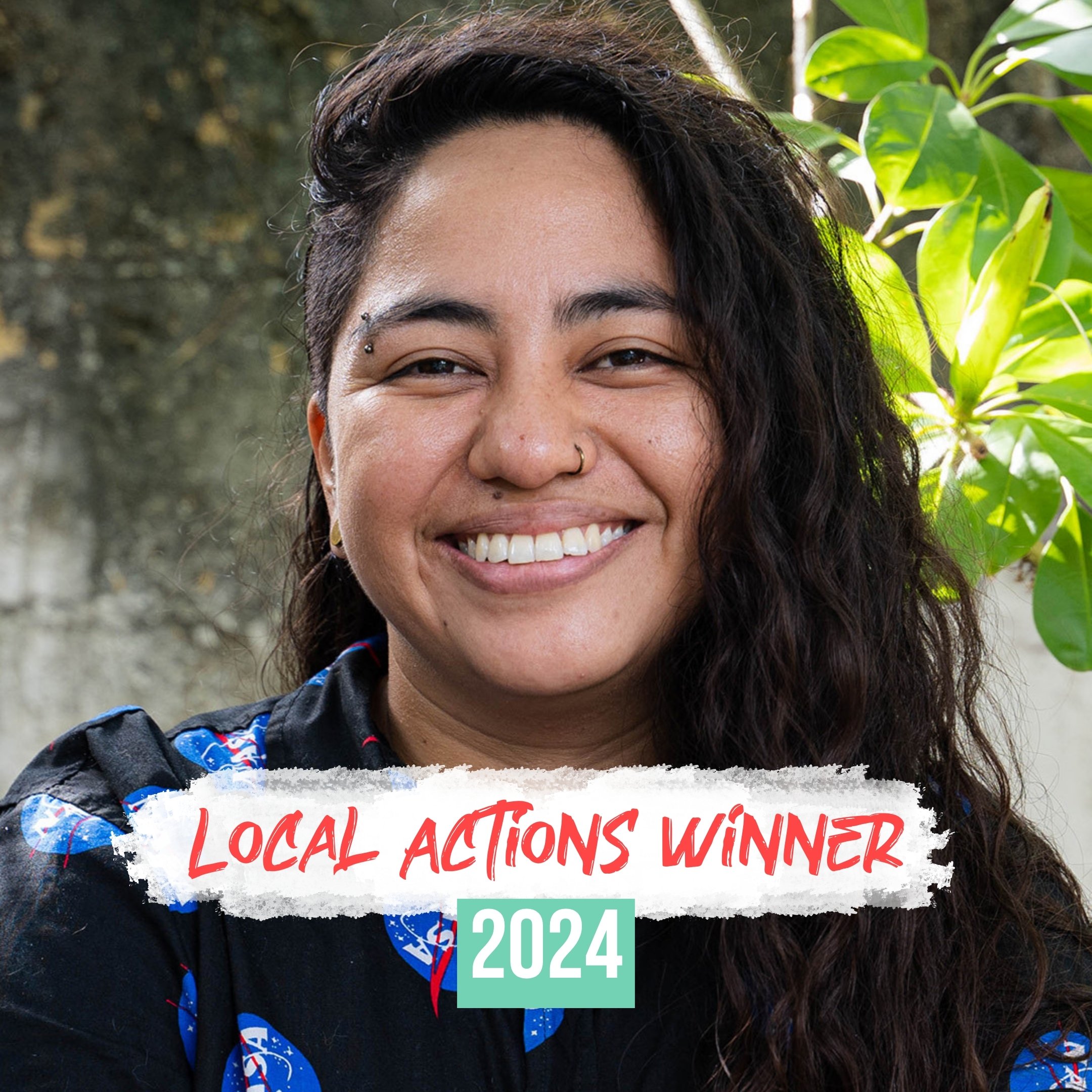

Paola as born in Mérida, Yucatán in 1989. She is a feminist activist, with a degree in Psychology from the Autonomous University of Yucatán, she has specialised in group and collaborative processes.
Trained in community risk management, ecofeminism, and defense of the territory in Mexico and Latin America, Paola has collaborated with the Reflexión y Acción Feminista collective since 2014.
She has been an urban cyclist since 2010 and is the creator and promoter of the RAF Mujeres al Pedal Bike School. She has built participatory methodologies that allow women to know and inhabit their environments.


Impact snapshots
Raised community awareness of public space safety and accessibility issues.
Improved cycling safety knowledge and promoted traffic regulation awareness.
Strengthened community engagement and identified local priorities for public spaces.
