

STRATEGIC WALKABILITY INTERVENTION
by ana rodriguez FROM MEXICO
The project's main idea was to accomplish a complete tactical urbanism exercise at the Universidad Autónoma de Baja California (AUBC-Autonomous University of California) through the annual Pedestrian Congress.
Road safety interventions were held in a main avenue so that the publicity and attention the City of Ensenada received as the host of the Congress was maximised. This was something that had never been done before. This highlighted the lack of pedestrian accessibility in the area. It also highlighted the importance of developing practical solutions founded on the processes of tactical urbanism.
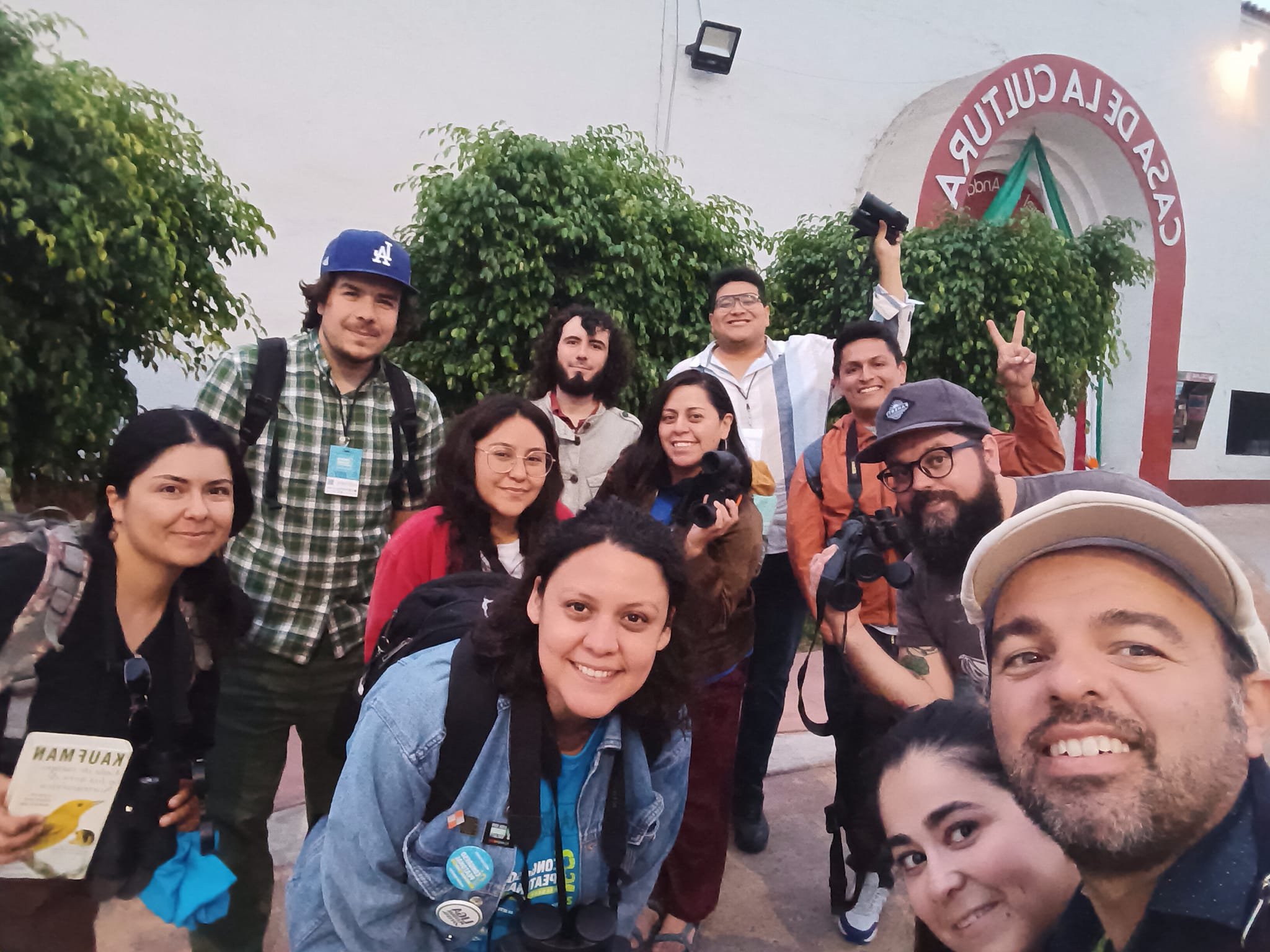
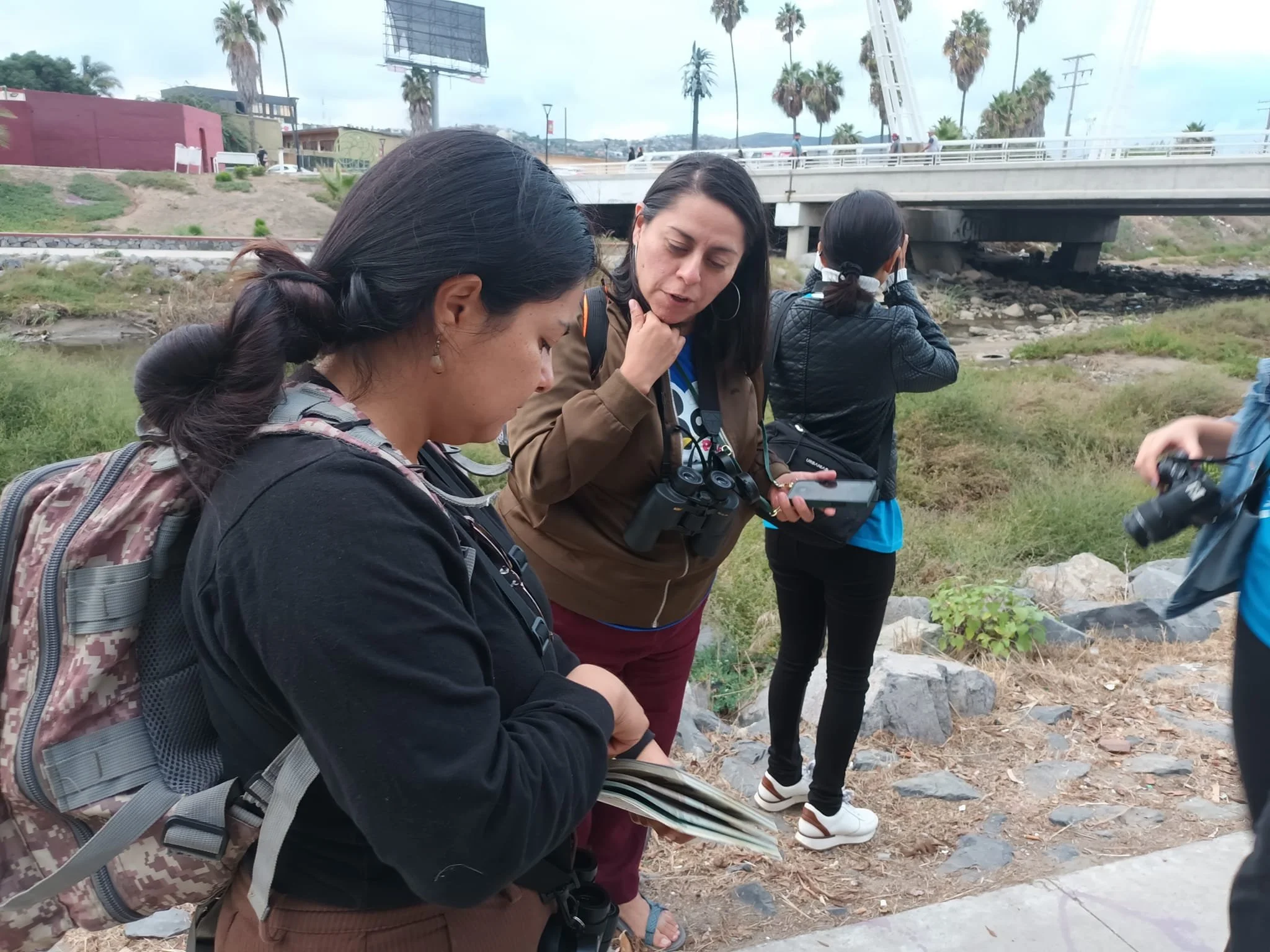
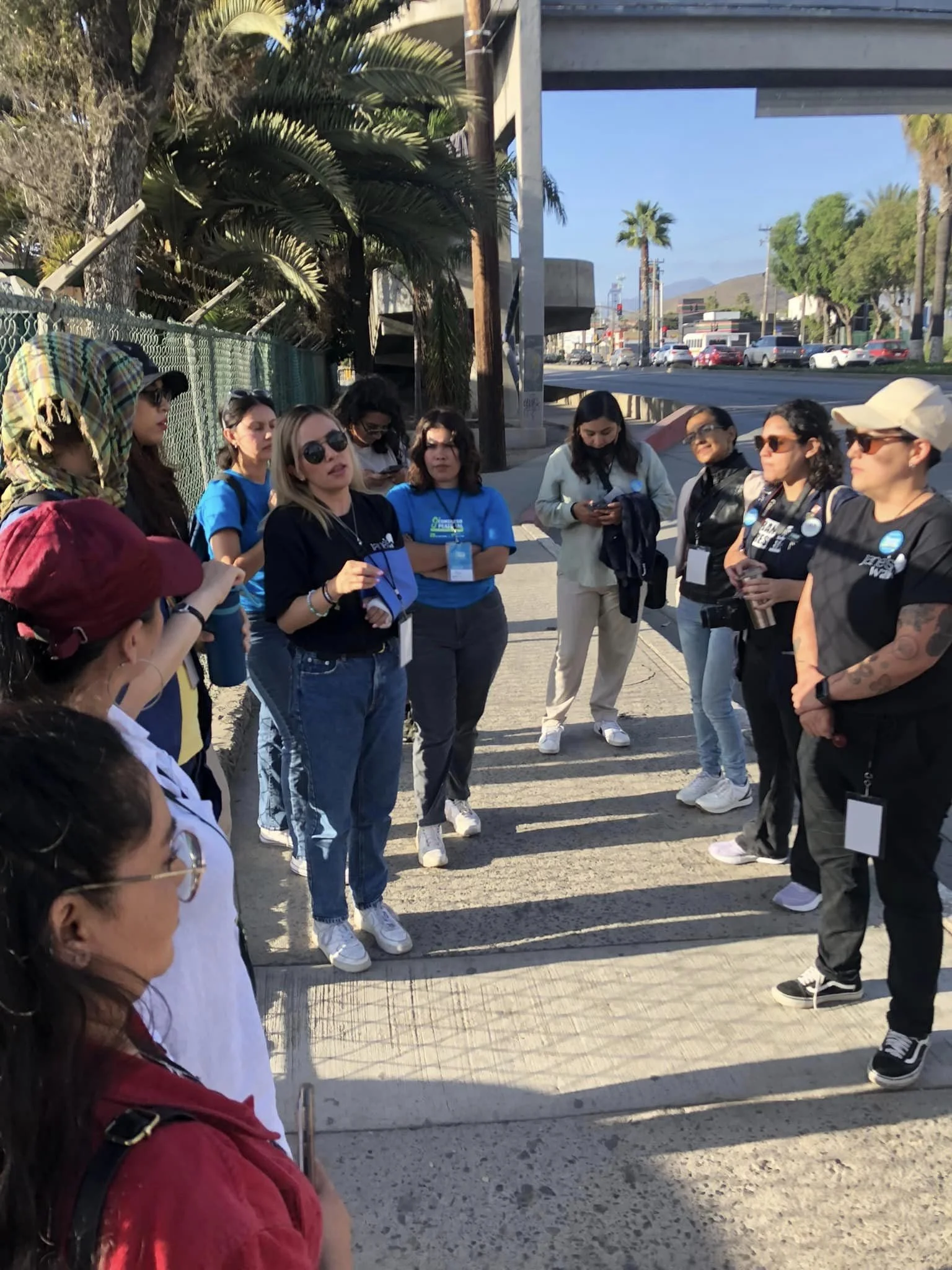
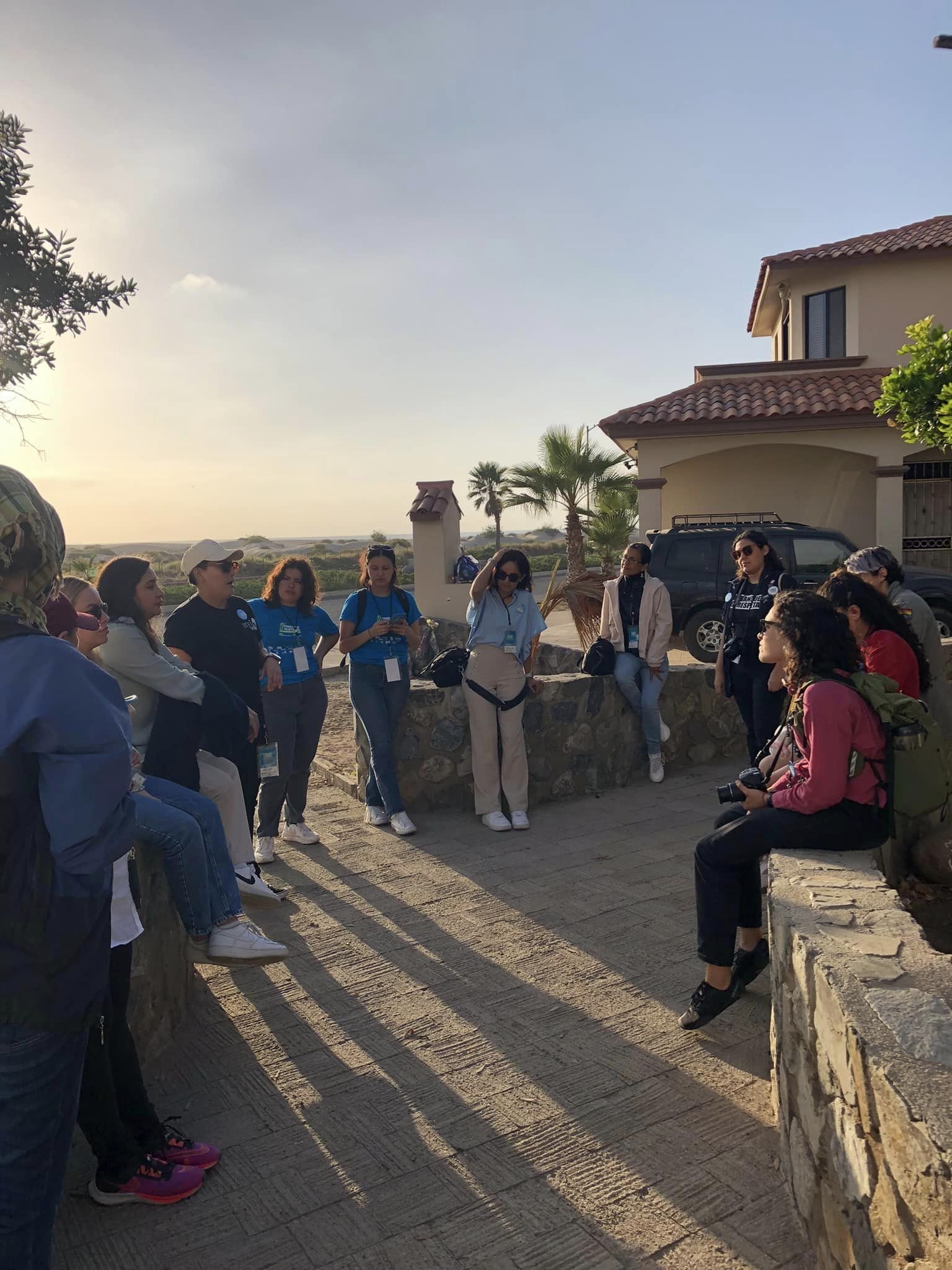
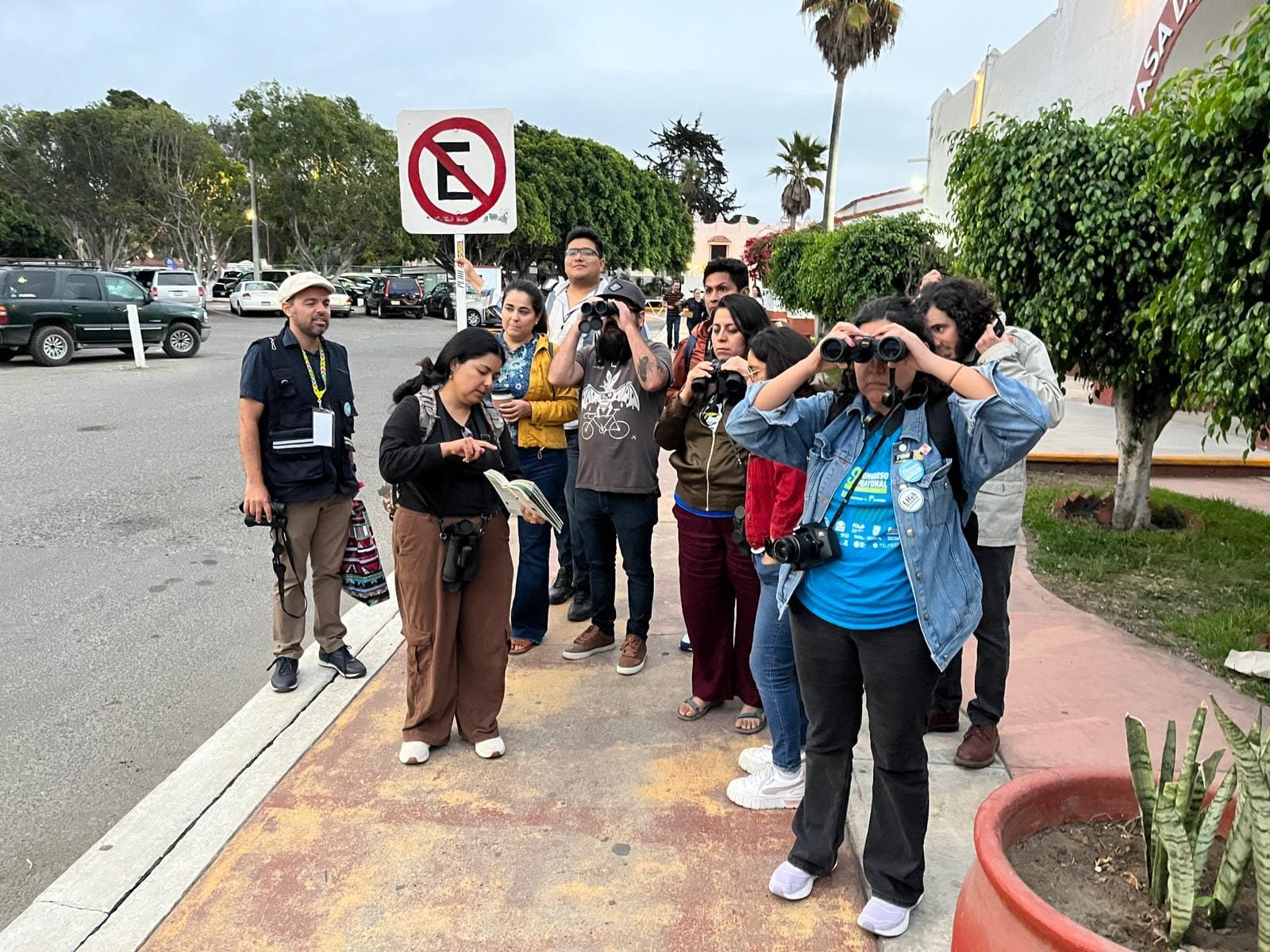
The event created workshops and gathered facilitators and experts to promote and exchange ideas on tactical urbanism. Citizens were also allowed to consolidate the existing work of different groups and organisations to plan and execute improvement proposals.
The proposals went through the conceptualisation, evaluation, and execution stages. These were supported by local activists, citizens, architecture, sociology and medicine students, and more.

Photo from Ken Eckert
ABOUT THE PROJECT LEAD
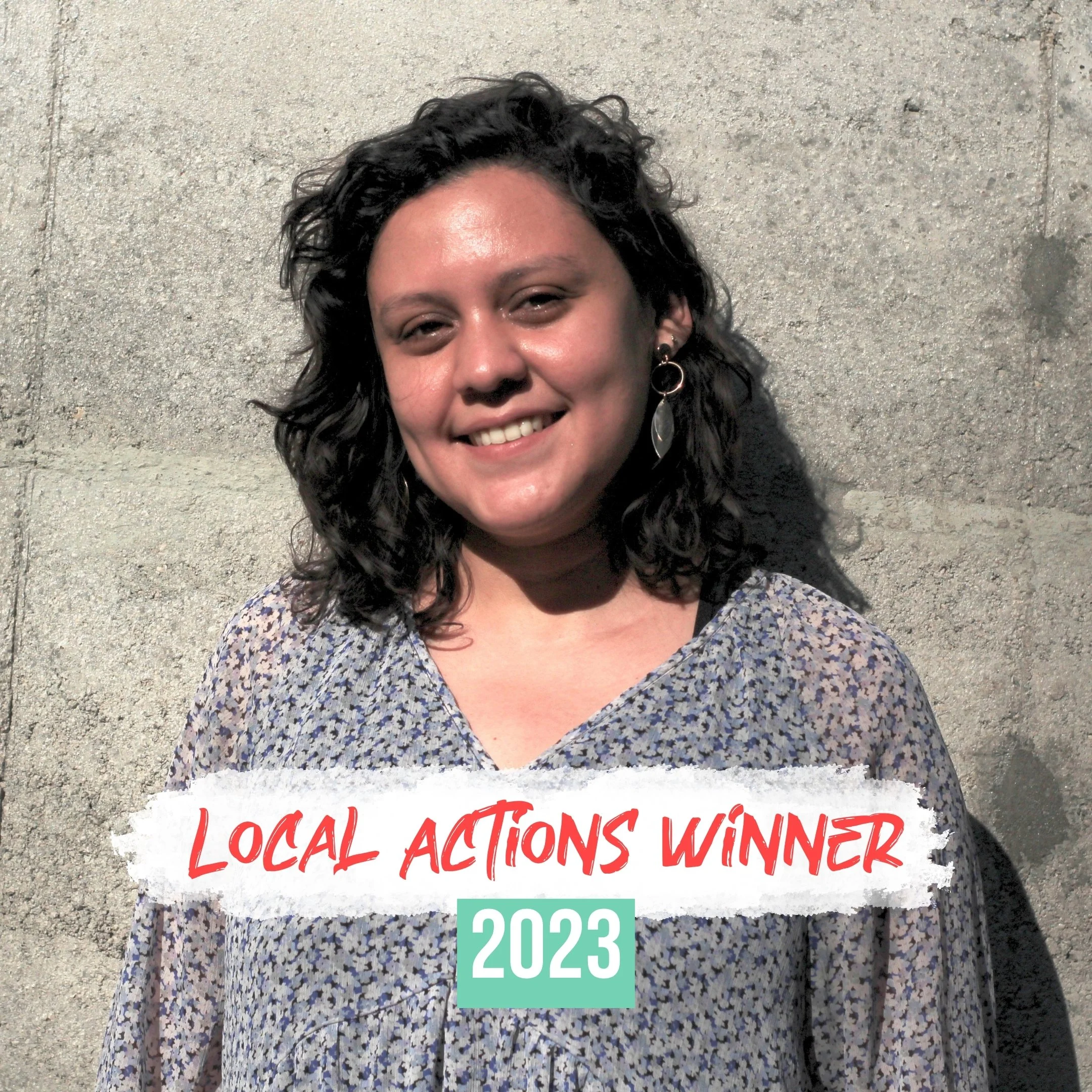

Ana is an urbanist architect who works as an independent consultant and university teacher. Her journey began ten years ago when she served as an urban activist in Monterrey City. She eventually extended her reach to a national level of architecture and urbanism through her position in Liga Peatonal.
She moved to Guadalajara to pursue a Master's Education, where she completed research on Transport Oriented Development (TOD) as a development tool in Monterrey. She has volunteer experience with TECHO, a Latin American-based organisation working in urban slums and other community spaces. Professionally, she has experience in urban mobility, design participation, and architecture.




IMPACT SNAPSHOTS
Engaged more than eight student groups across diverse disciplines, providing them with hands-on experience in community mobilisation, project implementation, permitting, and field research documentation.
Secured formal commitments from local election candidates, ensuring that incoming officials are well-informed of campus needs and equipped with evidence-based results to address local road safety challenges.
